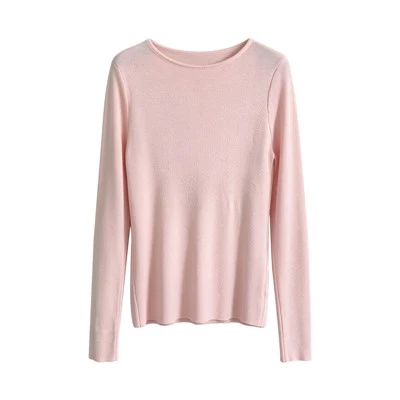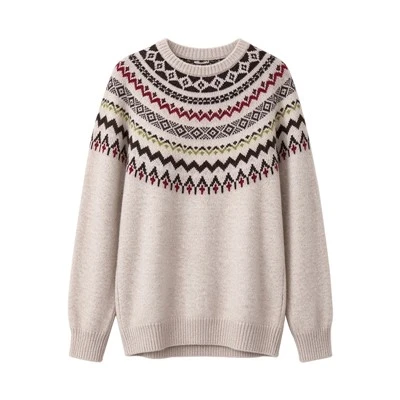
The production of knitted scarves involves multiple stages, including yarn selection, knitting, finishing, and quality inspection. Different production processes affect the scarf's appearance, thickness, elasticity, and overall texture.
Production workers need to select suitable yarns based on design requirements, including wool, cotton, acrylic, or blended yarns. Then, different knitting structures are formed using flat knitting machines, circular knitting machines, or other knitting equipment. Common knitting structures include plain knit, rib, cable, and jacquard, each with a unique texture.
After knitting, the scarf may undergo processes such as sewing, fulling, washing, drying, and setting to improve its appearance and dimensional stability. Some products have tassels, fringes, or other decorative elements added to the ends to enhance the design.
Production workers need to inspect the scarf for size, color difference, stitch patterns, loose threads, and surface defects. Standardized production processes help improve product consistency and durability. For consumers, understanding basic knitting techniques allows them to better identify the style characteristics of scarves and choose products that suit their needs.